
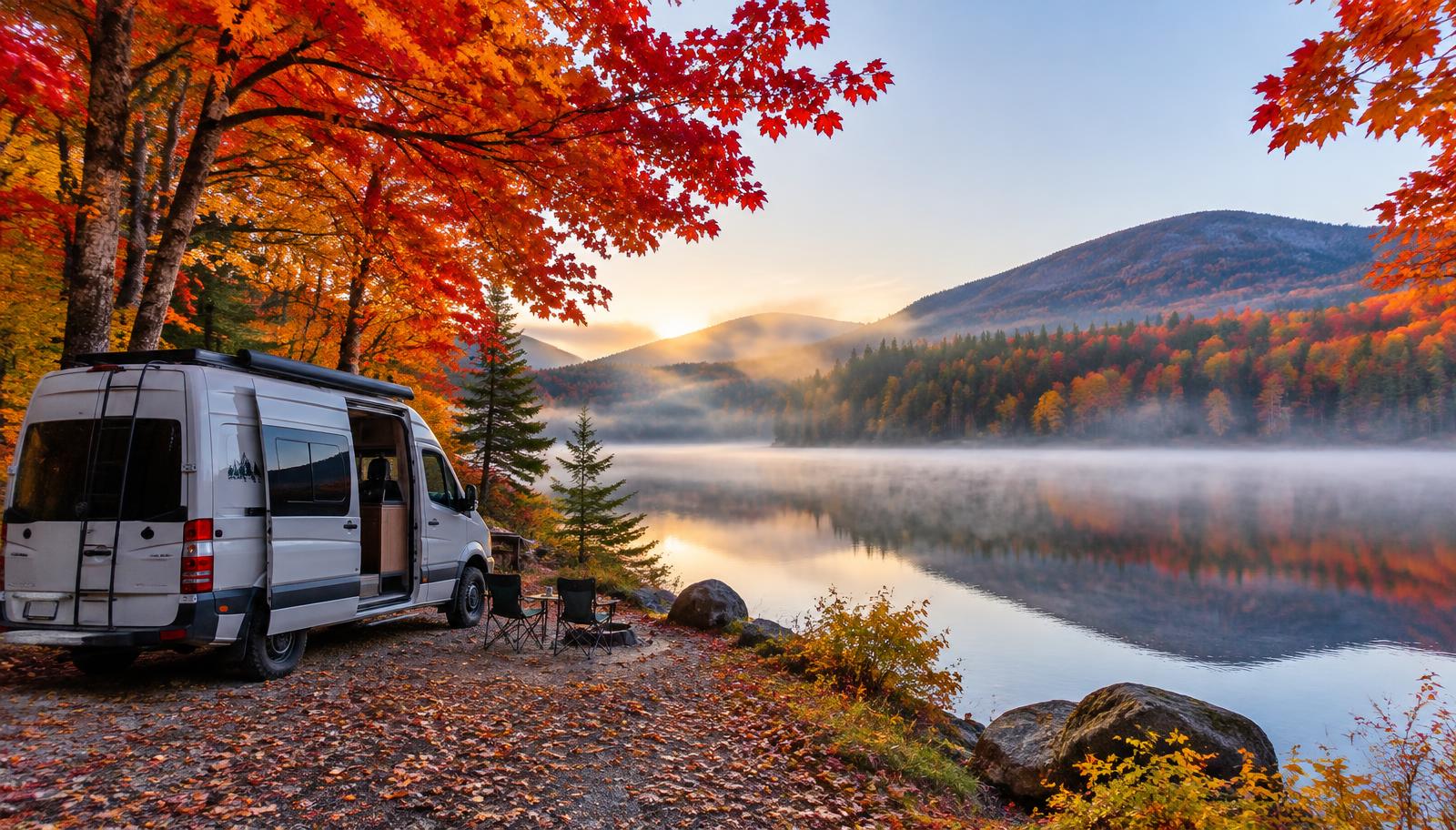
Canada by month: pick your compromise
There is no single best month for a Canadian RV trip. July brings long days and the widest campground choice, but also busy roads and peak rental demand. September swaps swimming weather for quieter trails. Winter delivers skiing, with serious homework attached. Choose your region first: Vancouver Island and the Canadian Rockies can feel like different seasons on the same day.
| Month | Where to look | RV reality | Typical demand |
|---|---|---|---|
| January | BC ski regions, Quebec winter cities | Specialist winter setup; many campsites shut | Limited fleet; holiday premiums |
| February | Rockies skiing, Quebec celebrations | Deep cold inland; short driving days | Busy around school holidays |
| March | Coastal BC, Quebec maple country | Spring at sea level, winter in mountains | Variable; ski breaks matter |
| April | Vancouver Island, southern Ontario | Rain, mud and restricted campground services | Often lower outside holidays |
| May | Southern BC, Ontario and Quebec | Good touring; alpine trails may remain snowy | Rising around Victoria Day |
| June | Most southern touring routes | Long daylight; mountain access improves gradually | Higher toward month-end |
| July | Nationwide, including northern routes | Broadest seasonal access; popular sites fill | Peak |
| August | Coasts, lakes and northern adventures | Warm conditions; smoke and fire restrictions possible | Peak |
| September | Rockies, Ontario and Quebec | Cool nights; excellent touring after Labour Day | Easing, except popular weekends |
| October | Eastern foliage routes, southern BC | Frost and campground shutdowns spread | Lower, with holiday spikes |
| November | Coastal BC, selected ski openings | Wet coast, snowy interior; few seasonal facilities | Limited availability rather than guaranteed bargains |
| December | Established winter camping bases | Winter-equipped vehicle essential | Christmas and New Year peaks |
Summer: maximum choice, maximum competition
Late June through August is the easiest starting point for first-timers. More campgrounds, visitor centres, boat tours and mountain attractions are operating. Southern daytime temperatures commonly reach the twenties Celsius, sometimes much hotter. Coastal evenings and high-elevation nights can still demand a fleece.
Book the RV and your essential campsites together, especially for the Rockies, Vancouver Island and holiday weekends. Canada Day, provincial August holidays and Labour Day can squeeze availability. Leave spare time between overnight stops: roadworks, wildlife traffic and ferry queues do not care about your spreadsheet.
Shoulder seasons: cheaper, but not summer on sale
May to mid-June
Spring works well for low-elevation touring, waterfalls and city stops. Vancouver Island often gets going earlier than mountain destinations. In the Rockies, a drivable highway does not mean nearby hiking trails are snow-free. Some lakes remain partly frozen, access roads open later, and campsites may offer fewer services.
Relocation offers sometimes appear as rental fleets move between depots. Read the mileage allowance, minimum travel period and fixed collection dates carefully. A cheap daily rate loses its sparkle if the required route eats your holiday.
September to early October
For many travellers, the weeks after Labour Day hit the sweet spot: fewer families on the road, cooler hiking and less pressure on rentals. The trade-off is shorter daylight and colder nights. Northern routes and high passes need more caution, while seasonal campgrounds may close well before the weather looks wintry.
🍁 Top tip
Price the same route across several collection dates. Shifting away from a holiday weekend can matter more than choosing a smaller vehicle. Confirm campground opening dates before paying a non-refundable rental deposit.
What happens to prices?
Peak-summer rental rates are usually higher than spring or autumn rates, but there is no dependable nationwide discount percentage. Vehicle size, depot, booking lead time and one-way demand all affect the quote. Winter can mean fewer vehicles available, not bargain stock waiting everywhere.
Compare the complete trip cost: rental, taxes, insurance options, kilometres, fuel, campsite fees, ferries and equipment kits. Public campsites commonly cost tens of dollars per night; serviced private resorts can cost considerably more. Heating, longer diversions and paid indoor attractions can also nibble away at a shoulder-season saving.
Fall colours: follow the leaves, not a fixed date
- Ontario: Algonquin and Muskoka often colour up from late September into early October. Higher and more northerly areas can peak first.
- Quebec: the Laurentians and Eastern Townships commonly shine from late September into mid-October, depending on elevation and weather.
- Nova Scotia: Cape Breton and the Cabot Trail often reward early-to-mid-October trips. Wind can shorten the display quickly.
- Canadian Rockies: golden larches generally draw crowds in mid-to-late September. Expect chilly trailheads and possible snow.
Check provincial foliage reports shortly before travelling and allow several nights within a region. Autumn weekends can still sell out, particularly near famous viewpoints. Reserve a legal overnight base rather than assuming a scenic parking lot doubles as a campground.
Ski season: great mountains, tougher camping
Many Canadian ski areas operate roughly December through April; some higher-elevation resorts run into May when conditions permit. Whistler Blackcomb, Sun Peaks, Revelstoke, Lake Louise, Sunshine Village and Mont-Tremblant offer very different road conditions and camping options. Lift operations and overnight RV permission are separate questions.
Get written confirmation that your rental is approved for your winter route. A winterized vehicle may have its freshwater system drained, meaning no normal onboard shower or sink use. Check heating, battery charging, propane access, winter tyres, roadside support and open washrooms before booking.
🍁 Warning: cold changes the whole trip
Never use a stove or barbecue to heat the living area. Keep ventilation and carbon-monoxide alarms working, obey chain and tyre rules, and keep a weather-delay budget. If the forecast exceeds your vehicle or driving capability, switch to indoor accommodation.
Match the season to the experience
Choose summer for northern road trips and the broadest park access; late spring or September for relaxed southern touring; autumn for foliage; and winter only with suitable equipment and a realistic backup plan. Whale-watching seasons vary by coast and species. Northern lights need darkness and clear skies, so midsummer's long northern daylight is not your friend. Build around one priority, then let the weather have the final say.